
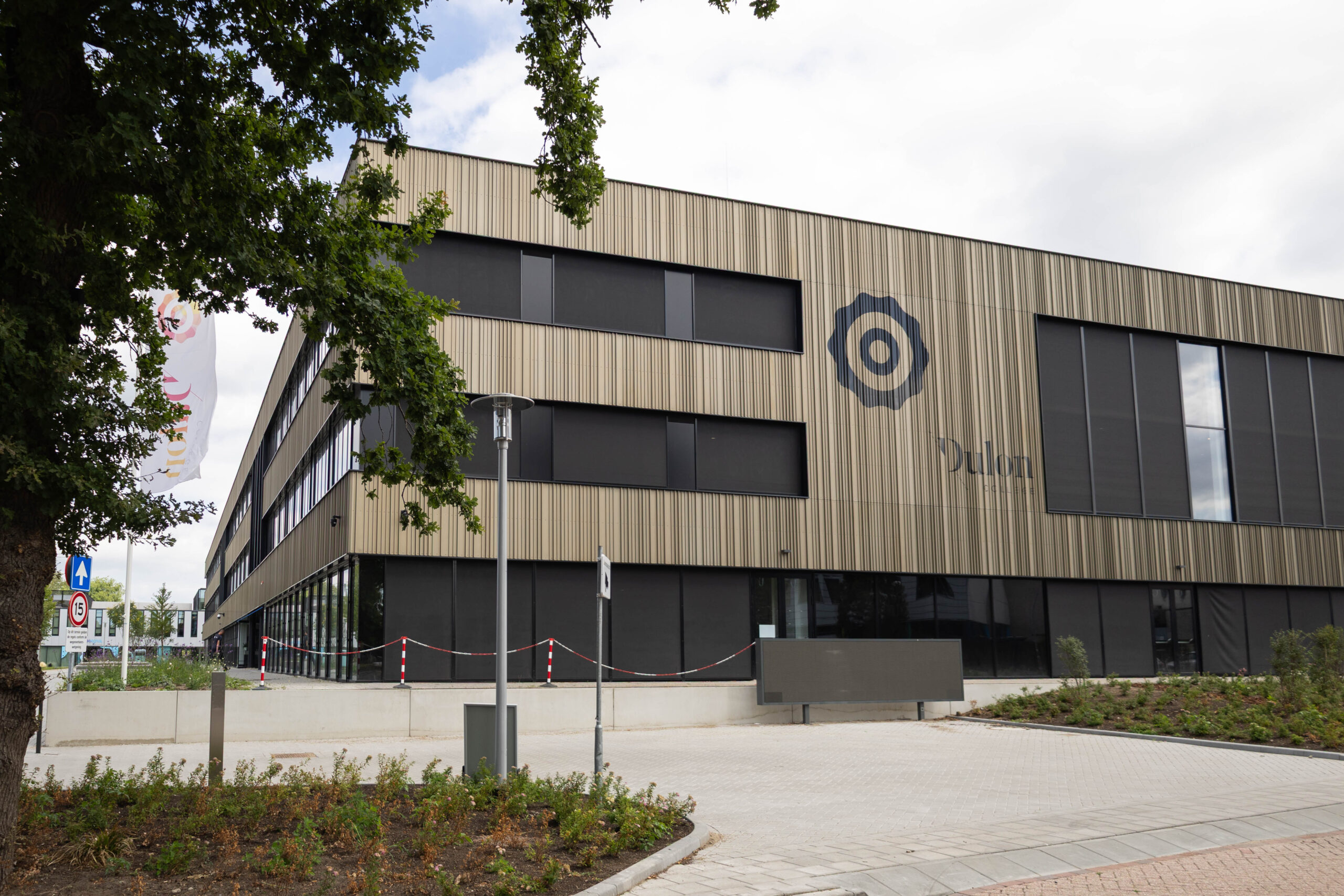
Too hot in the classroom: what are the solutions?
Classrooms become too hot because sunlight enters through large windows and heat builds up inside the room. On sunny days, temperatures rise quickly. This heat affects not only comfort but also the academic performance at your school.
Preventing overheating in schools starts with keeping solar heat out before it even reaches the glass. In this blog, you will read about measures that keep the heat outside. You will also discover how, as a director or board member, you can ensure a cool learning environment across your entire building portfolio. Read on to discover what works when it is too hot in the classroom.
Why does it get too hot in the classroom?
Classrooms overheat because solar heat enters through the windows and accumulates in the room. Many school buildings feature large glass surfaces, a southern orientation, and limited natural ventilation. These three factors combined cause temperatures to rise, especially in spring and summer.
When you add a full classroom to that, with the heat emitted by people and equipment, the temperature rises further. Those managing multiple buildings will notice that one facade heats up faster than another and that the speed at which a classroom becomes too hot varies per room. To prevent this, you must tackle the sun at the point where the heat enters: on the outside of the window.
What are the consequences when it becomes too hot in the classroom?
When a classroom gets too hot, concentration levels drop and students' academic performance declines. At high temperatures, attention spans shorten, children tire more quickly, and lessons become more difficult. Teachers also find that teaching in the heat is more demanding. An unpleasant indoor climate can also put the well-being of your staff under pressure.
In addition, bright sunlight causes distracting reflections on digital boards and screens, making lesson materials difficult to read. For a school board, a pleasant indoor climate contributes to better learning results, satisfied employees, and a building that fulfills its educational function. Therefore, it pays to consider how hot your classrooms become as soon as the sun is full on the facade.
Which outdoor sun protection prevents the classroom from getting too hot?
Outdoor sun protection is the most effective way to prevent a classroom from overheating because it keeps the heat out before it reaches the glass. Below, we list the options that are well-suited for school buildings and larger educational campuses.
- Screens block heat and bright sunlight while allowing sufficient daylight through, making them suitable for classrooms with a facade in full sun.
- Zip screens are held tight in their guides and are therefore wind-resistant, an excellent choice for larger facades and higher floors.
- Drop-arm awnings block the sun on lower floors while keeping the view outside open.
By blocking the sun on the outside, the classroom remains noticeably cooler, and you prevent overheating across the entire building.
What additional measures help against overheating?
Additional measures help against overheating by intelligently controlling the sun protection and combining it with other interventions. Besides the right products, the method of operation makes a big difference, especially if multiple locations are becoming too hot. We explain the most important options.
With automatic sun protection, the system responds to the sun itself, ensuring the screens lower at the right time, even if no one thinks of it. Centralized control allows you to manage multiple rooms or even multiple buildings simultaneously, keeping management clear for a building manager or board. By combining sun protection with proper ventilation and airing, you keep the accumulated heat out and the air in the classroom fresh. If you want to prevent overheating in schools, you can tackle the heat in several ways at once with smart sun protection and good ventilation.
How do you choose the right sun protection for your school?
You choose the right sun protection for your school based on the type of building, the orientation of the facade, and how the classrooms are used. A south-facing facade requires heavier sun protection than a facade that catches less sun. It also matters that sun protection in a school is operated daily by large groups of students, so reliable systems are a necessity. If you manage a school group, it pays to make a uniform choice that you roll out and maintain consistently across all locations. Our advisors, active throughout the Netherlands, will inspect your building and provide tailored advice on how to prevent the classroom from getting too hot. This ensures you get sun protection that suits your educational building and its use. Curious about what works for your classrooms? Request a no-obligation consultation.
Work with us to prevent classrooms from getting too hot
Do you want to prevent the classroom from getting too hot? Then you have come to the right place at De Haan Westerhoff. We are the partner for healthcare, education, and commercial property, taking care of the entire process—from on-site advice and smooth installation to targeted maintenance and rapid service in case of malfunctions. Our service has national coverage, and in the event of an urgent malfunction, we are ready to assist you quickly so that lessons at all your locations can continue as usual. Together with us, you can ensure a pleasant learning climate and prevent classrooms from overheating again.
Frequently asked questions about overheating in schools
- At what temperature is a classroom too hot? A classroom is perceived as too hot when the temperature exceeds the comfortable working limit and students become noticeably less concentrated. A fixed legal limit varies by situation and type of education. In practice, comfort decreases as the temperature rises, especially in rooms with a facade in full sun. By blocking the heat on the outside of the window, you keep the indoor temperature at a more pleasant level.
- Does indoor sun protection also work against heat in the classroom? Indoor sun protection mainly helps against bright light and glare, but it is less effective at blocking heat than outdoor sun protection. This is because the sunlight has already passed through the glass and is heating up the room. For blocking heat, sun protection on the outside of the facade is more effective. Indoor sun protection is, however, a pleasant addition for privacy or specific light control in a room.
- On which facade is sun protection against heat most important? Sun protection against heat is most important on south and west-facing facades, as these facades catch the most sun. Rooms on that side heat up faster and run the highest risk of becoming too hot. A north-facing facade catches less direct sun and therefore requires lighter sun protection. Tailored advice takes the orientation of each room into account.
- Does sun protection not block too much daylight in the classroom? Good sun protection keeps the heat and bright sun out while allowing sufficient daylight in. Fabric types vary in how much light they let through, so the room remains bright without heating up. This means lighting does not have to be turned on unnecessarily, and the view outside is preserved. The choice of fabric is matched to the function of the room.
- Is sun protection against heat also useful in winter? Yes, sun protection is useful year-round and not just during hot summer days. In spring and autumn, the sun is low and can still cause heating and glare in the classroom. Outside of warm periods, sun protection also helps to retain heat inside, making the indoor climate more stable. As a result, a classroom remains more pleasant throughout the entire school year.
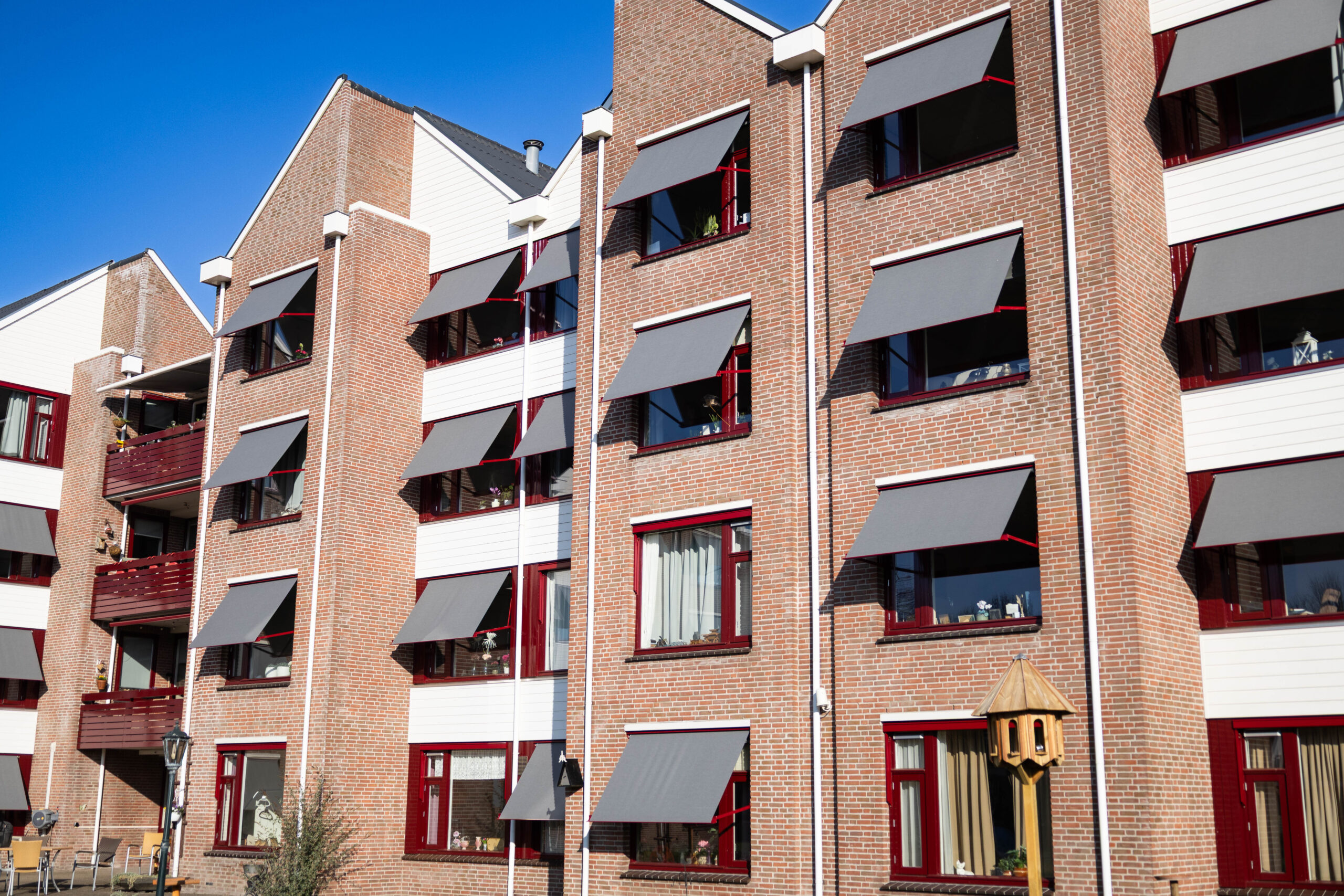
Preventing overheating in residential care centers: a heat plan for residents
A heat plan for your residential care center protects vulnerable residents against the health risks of persistent heat. The elderly and those in need ...
Lees meer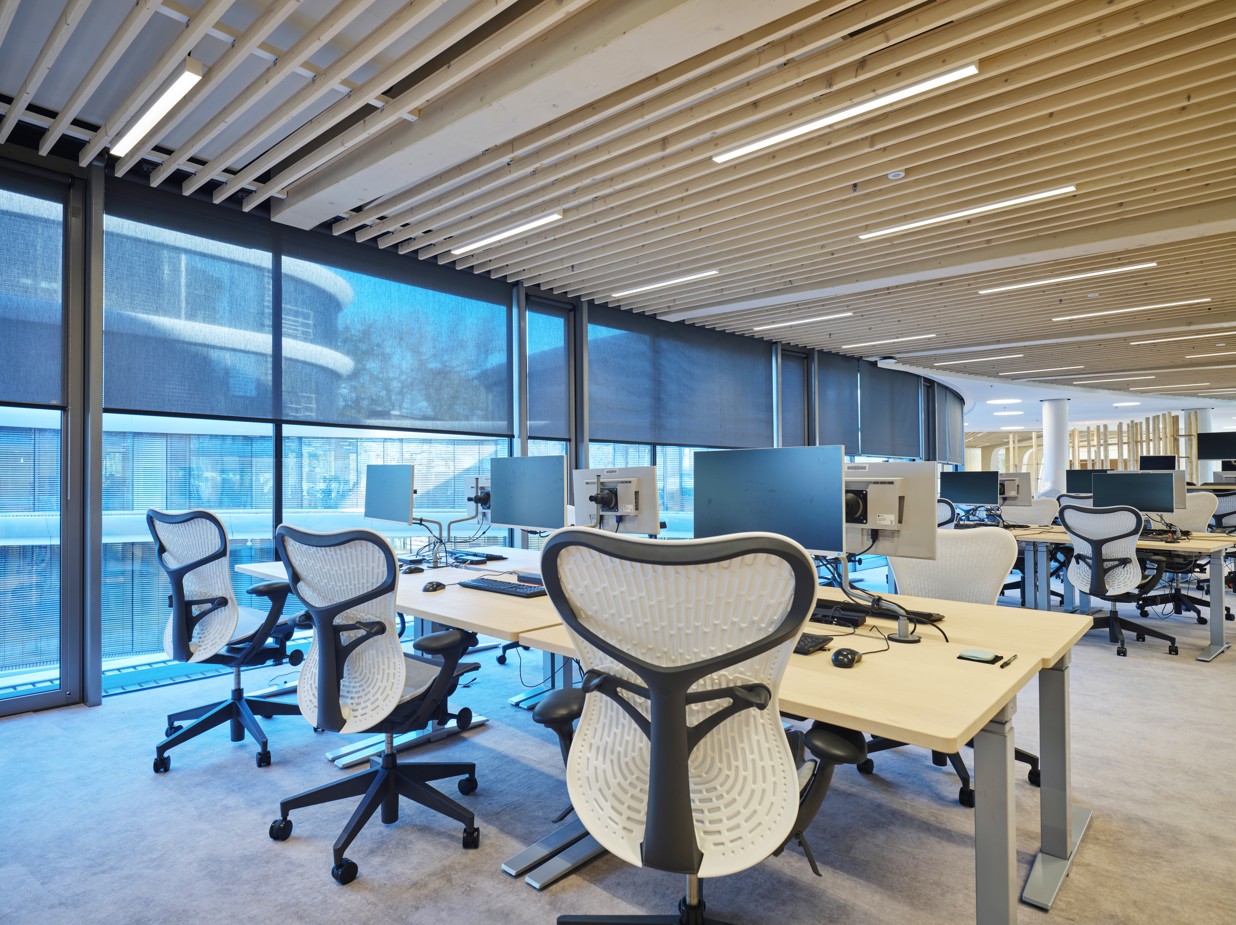
How automated sun protection increases comfort and productivity
Automated sun protection increases comfort and productivity by blocking heat and glare before they reach your employees. You will notice this advantag ...
Lees meer